Many people tend to postpone the situation when they lose a tooth, probably because the gap is not a big issue if it isn’t visible when they smile. However, chewing can feel different, and small changes start to appear.
In reality, missing teeth affects more than just appearance. It can impact your jawbone, bite alignment, digestion, speech, and even your jaw joints. Many of these changes happen gradually and without warning, but understanding them allows you to take action early.
Your teeth do more than help you chew, they also stimulate the jawbone. Bone density and strength is maintained by each tooth root that transfers pressure to the bone during biting and chewing.
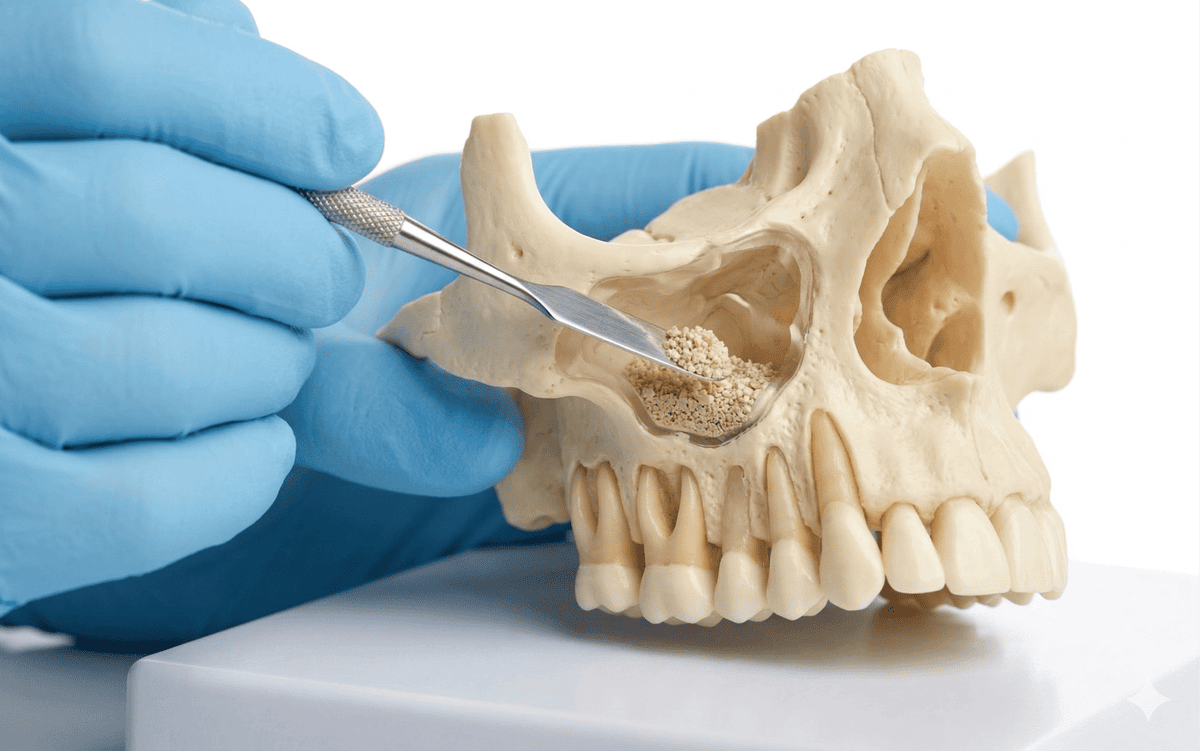
You are not only losing a tooth, but you are also losing that stimulation. This causes the surrounding jawbone to shrink in a process called bone resorption. This change often starts within the first year after tooth loss and can continue gradually over time.
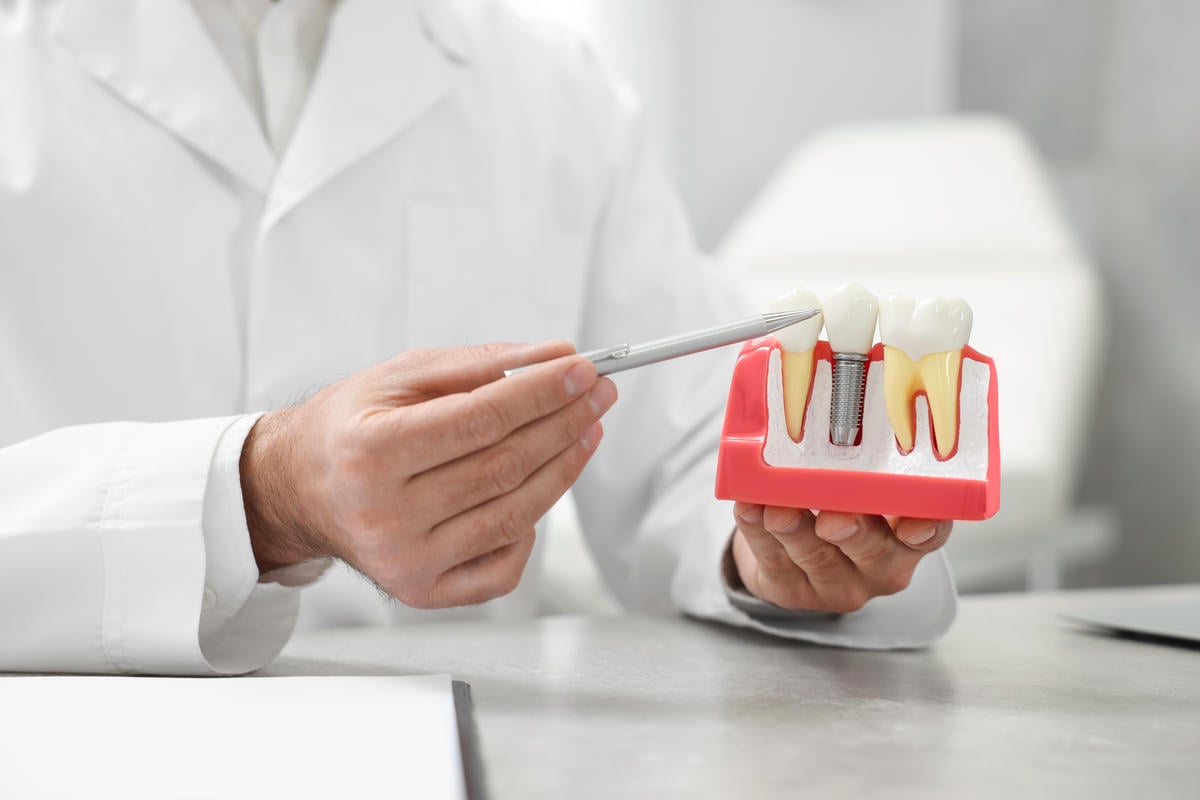
Some solutions are denturesorbridges, which both restore the visible part of the tooth. Still,dental implantsare the only option that replaces the tooth root and helps maintain natural bone stimulation.
To preserve bone and make future treatments more predictable, address missing teeth as soon as possible.
Teeth rely on each other for stability. One missing tooth often causes nearby teeth to begin to drift into the open space. At the same time, the tooth positioned above or below the missing tooth may begin to shift or "super-erupt" due to the absence of the opposing surface it normally bites against
Small bite changes like these can eventually affect the entire dental system.
Teeth are crucial to break down food before it reaches the digestive system. Food particles may enter the stomach in larger pieces due to less efficient chewing. This can place additional strain on the digestive system and contribute to discomfort.
People with missing teeth also tend to avoid certain foods that are harder to chew, such as lean proteins, nuts, and crunchy vegetables, which can affect overall nutrition and energy levels over time.
Teeth also help guide airflow and tongue placement when speaking. Speech sounds can be affected by missing teeth, especially a front one
Commonly impacted sounds include “S,” “F,” “V,” and “TH.” An altered bite stability can also influence speech clarity.
Your teeth, jaw joints, and muscles work together as a coordinated system. When teeth shift or bite balance changes, the jaw may begin to close in a slightly different position
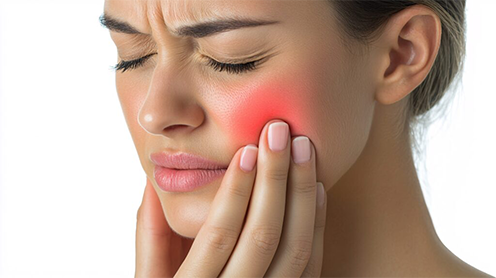
Over time, this can place extra strain on the jaw muscles and joints. Some people begin to experience symptoms such as:
You can maintain proper bite alignment nd reduce long-term stress on jaw points by correcting missing teeth early.
If you lose a tooth, don’t wait for the symptoms to appear; schedule a professional evaluation as soon as possible.
A dentist may recommend imaging, including 3D scans when necessary, to assess bone levels and surrounding structures. From there, they can review potential replacement options such as:
The right option depends on factors like bone health, gum condition, timeline, and budget. Simpler treatments often imply quick action with missing teeth.
Replacing a missing tooth does more for you than just keeping your smile looking good, it helps protect your bite, facial structure, and overall oral health.
If you’re missing a tooth or noticing changes in how your bite feels, consider scheduling an evaluation with Dr. Luzar to discuss your options. One missing tooth can affect the entire system, but addressing it early can help keep everything functioning properly for years to come.
Share this post: